
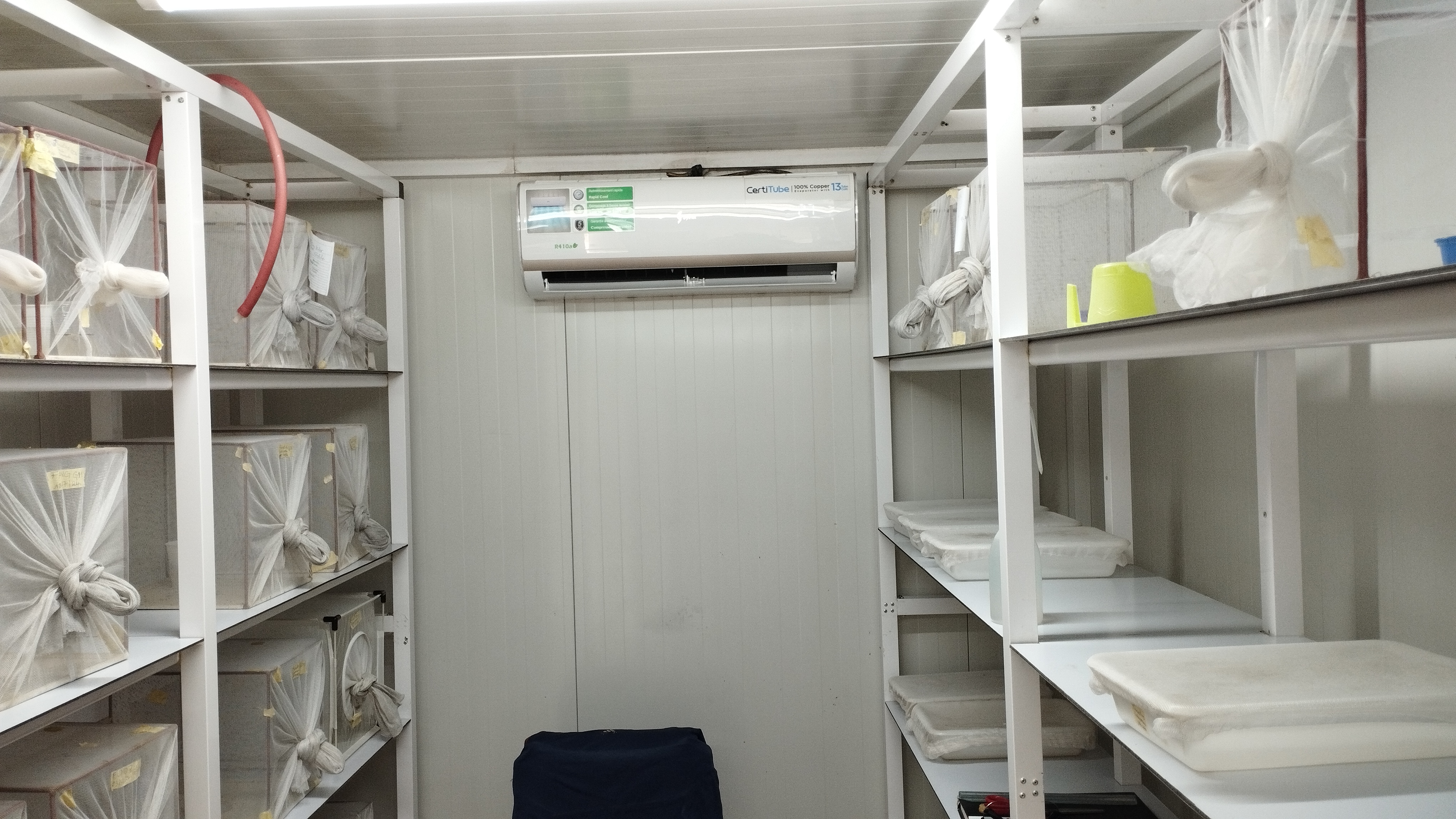
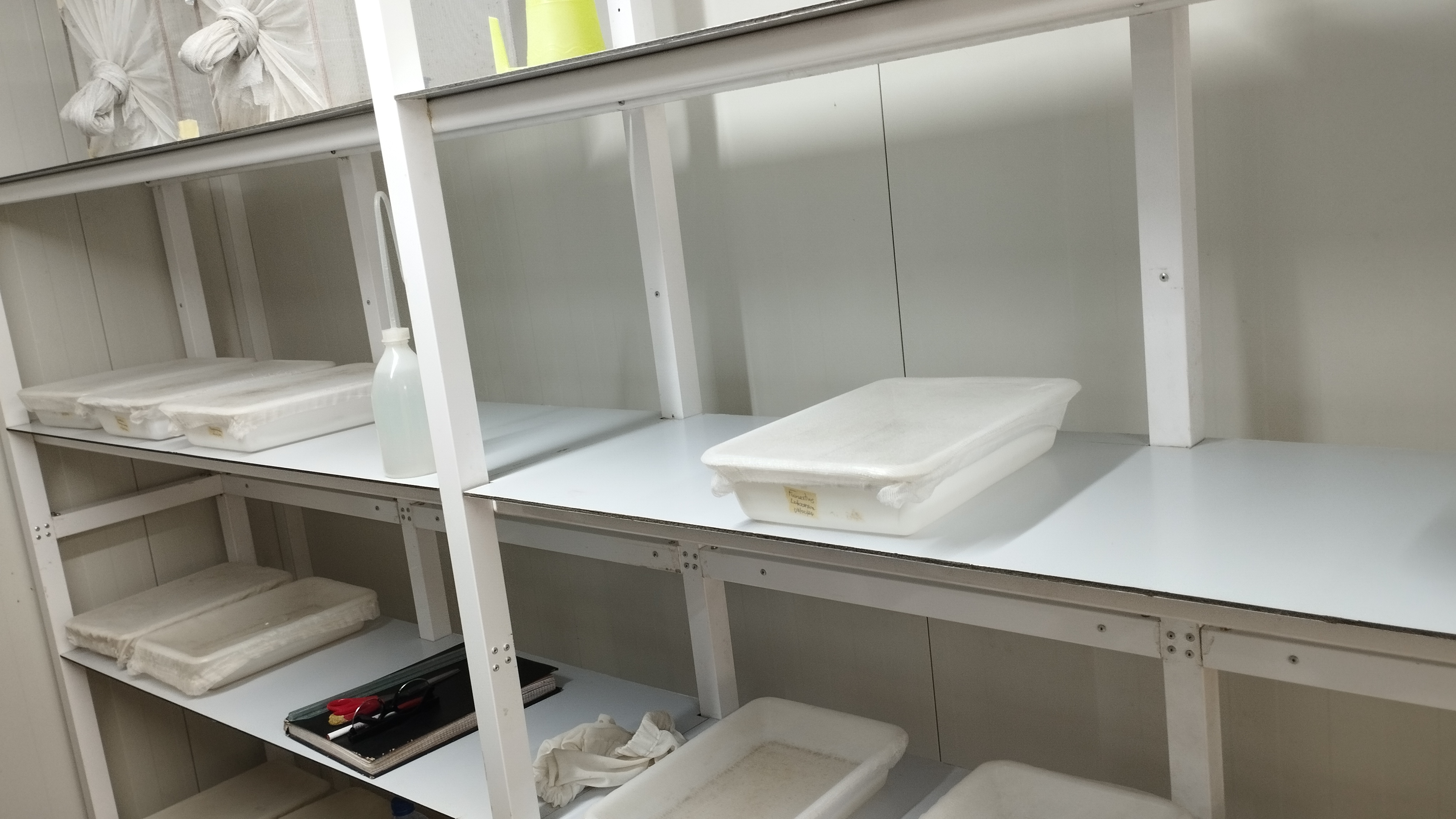
The UEGDFU has an insectarium where three species of malaria vectors are bred, originating from various laboratory strains and different regions of West Africa.
The department is responsible for the following tasks:Maintain various species of laboratory and field malaria vectors of the genus Anopheles in continuous culture.
Collect natural populations of mosquito larvae and adults.

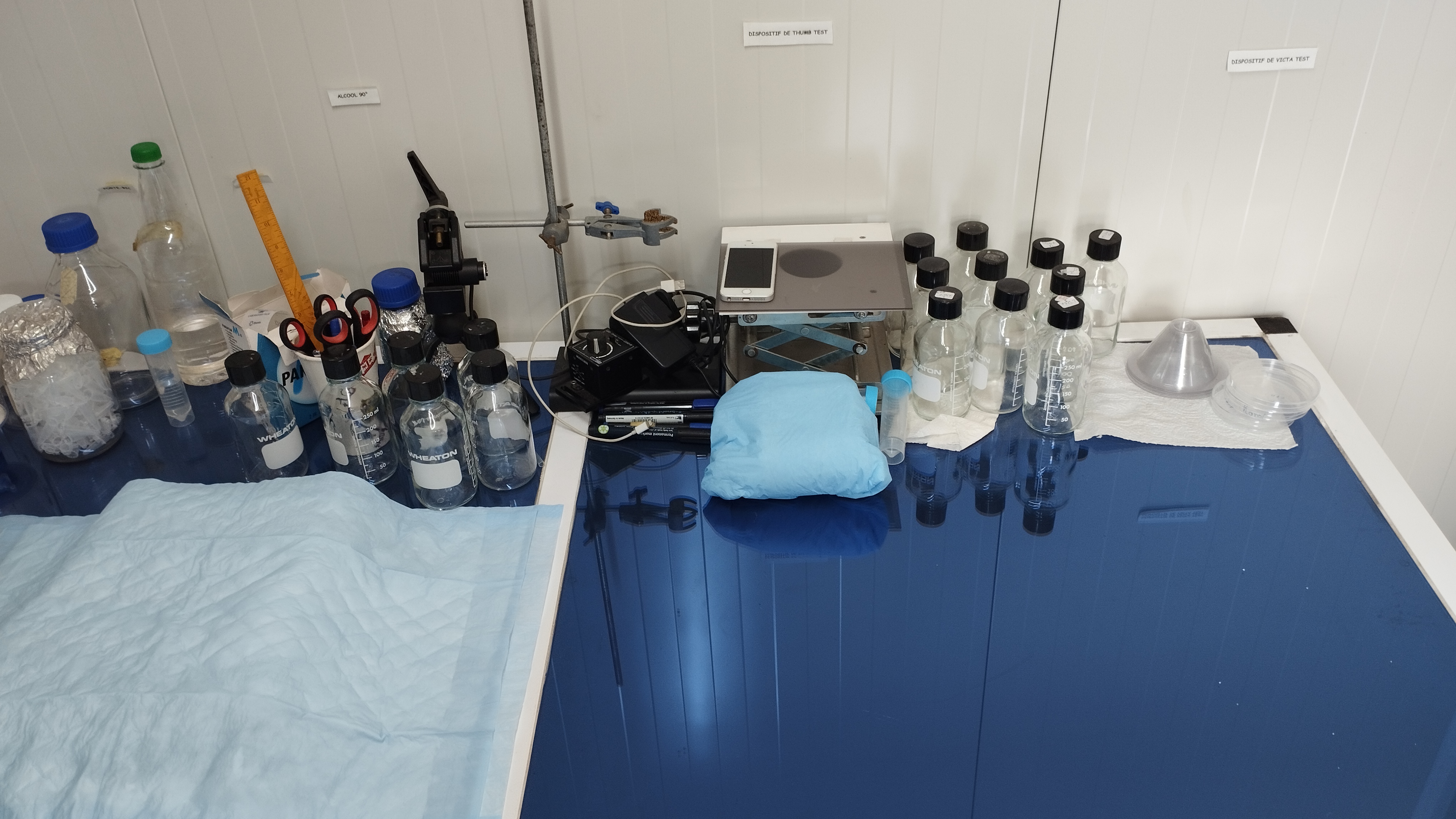
This section is dedicated to evaluating the effects of insecticides and plants on mosquito mortality, life history traits, and behavior.
The department is responsible for the following tasks:Determining the resistance phenotype of various mosquito strains to insecticides.
Assessing the efficacy of insecticides and insecticide-treated bed nets.
Studying the behavioral changes in mosquitoes in response to insecticide exposure.
Analyzing the impact of larval dietary variation on the resistance phenotype in Anopheles gambiae mosquitoes.
Evaluating the lethal activity of essential oils on Anopheles gambiae mosquitoes.
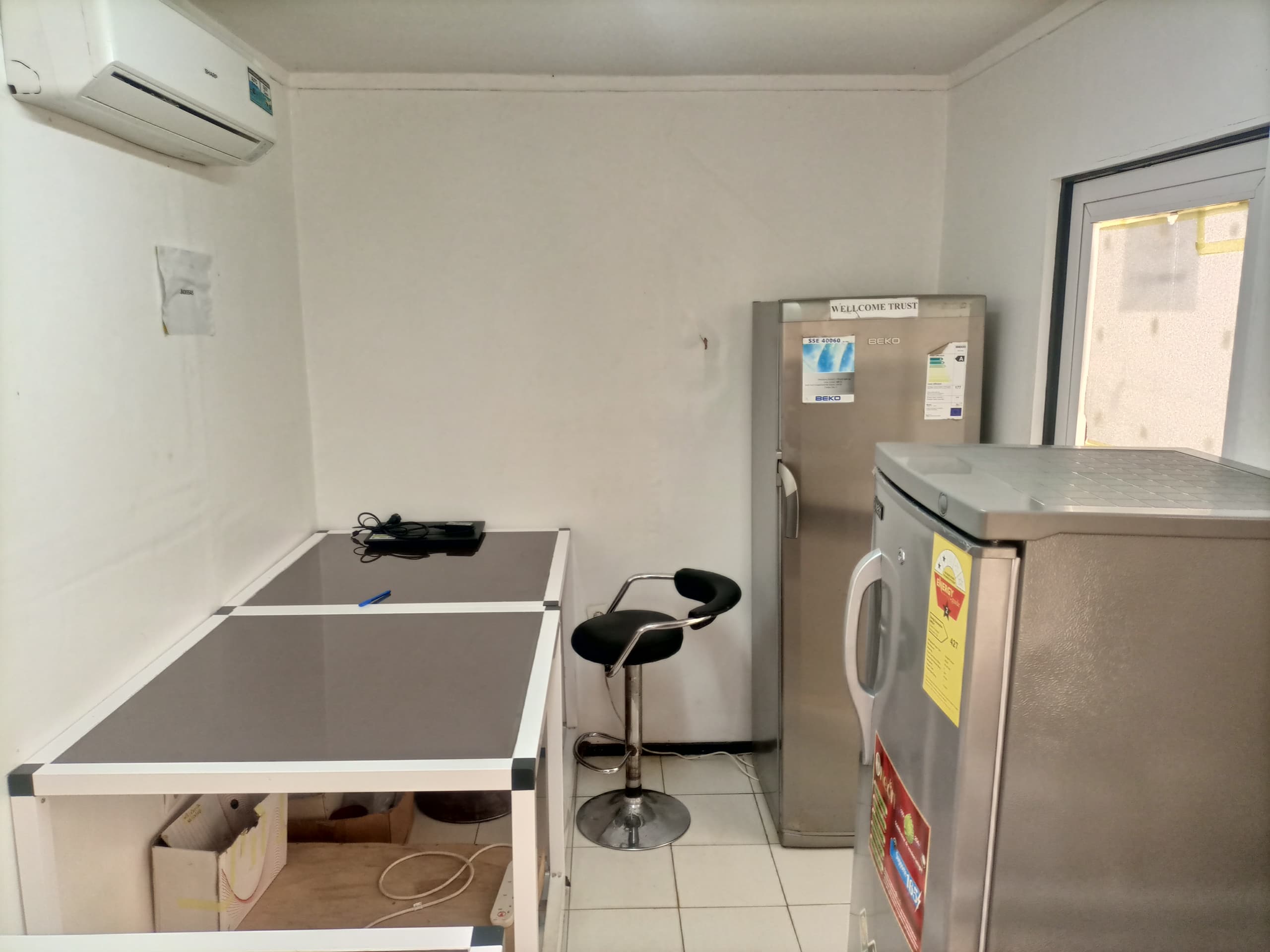
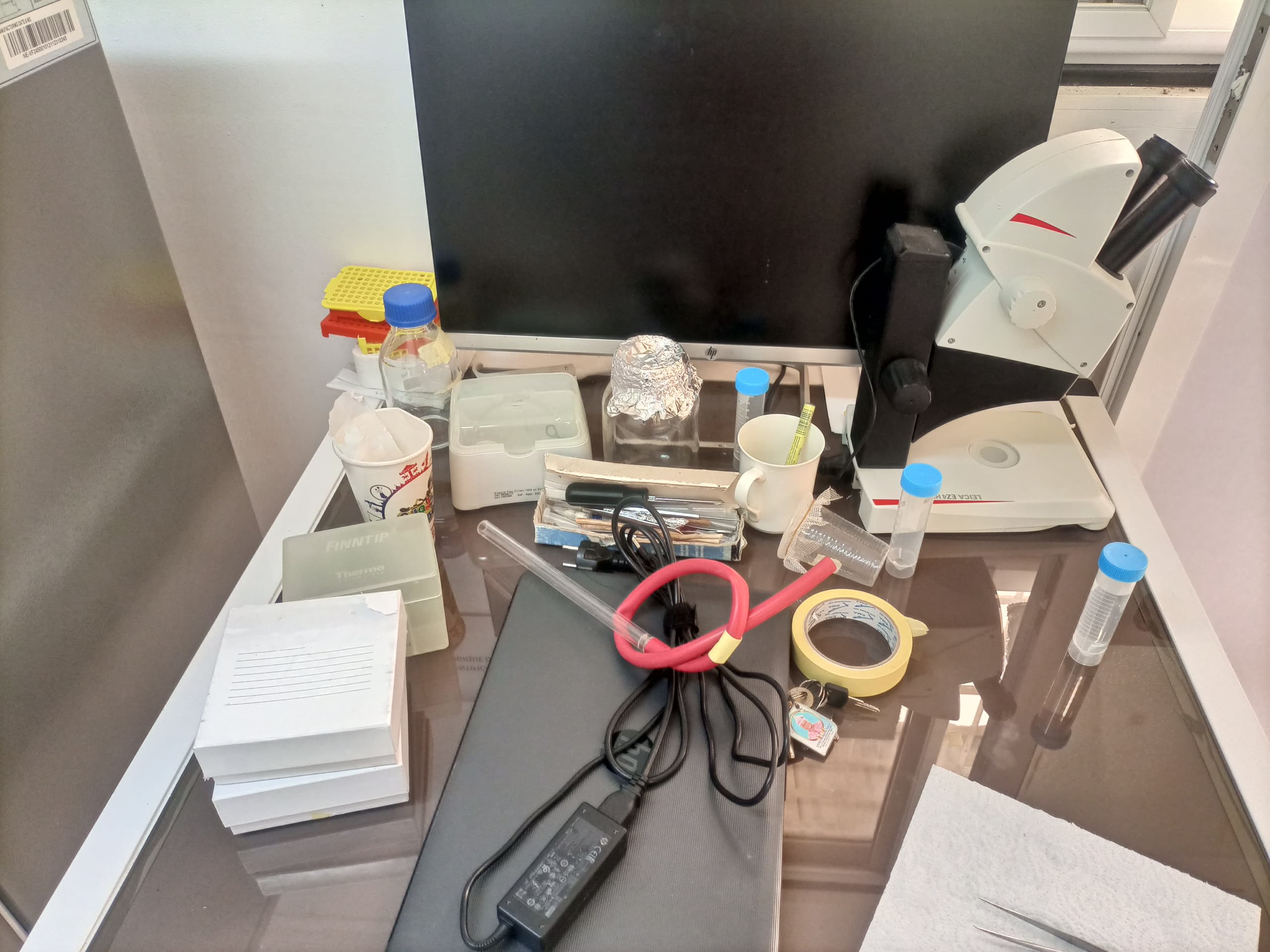
An experimental infection section for all studies relating to malaria transmission, and in vitro evaluation of the efficacy of drugs and medicinal plants in inhibiting parasite development in vectors.
The department is responsible for the following tasks:Experimental infection of Anopheles gambiae mosquitoes with P. falciparum gametocytes.
Evaluate the inhibitory power of Benin plant extracts on the development of P. falciparum in mosquito vectors.
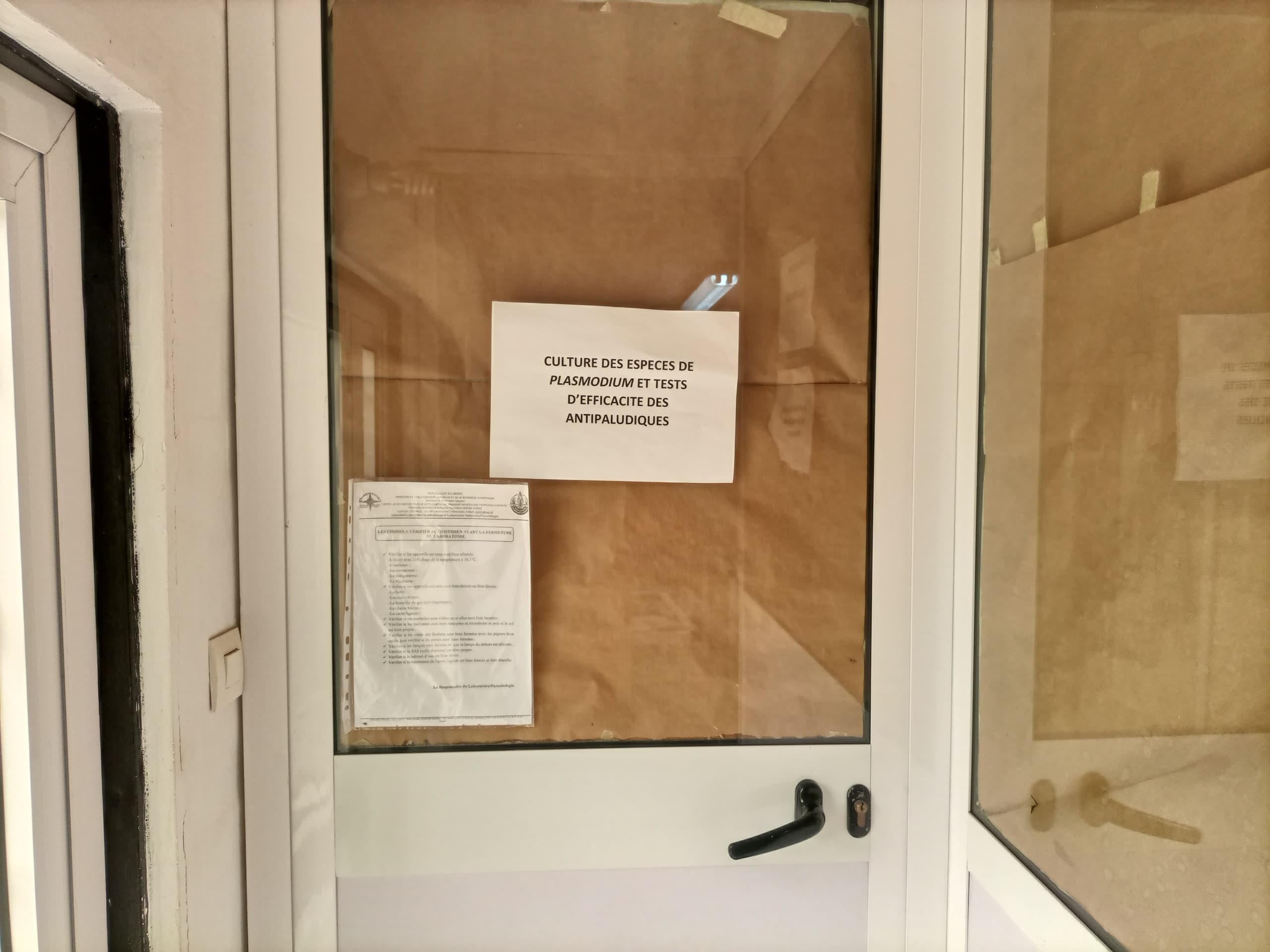
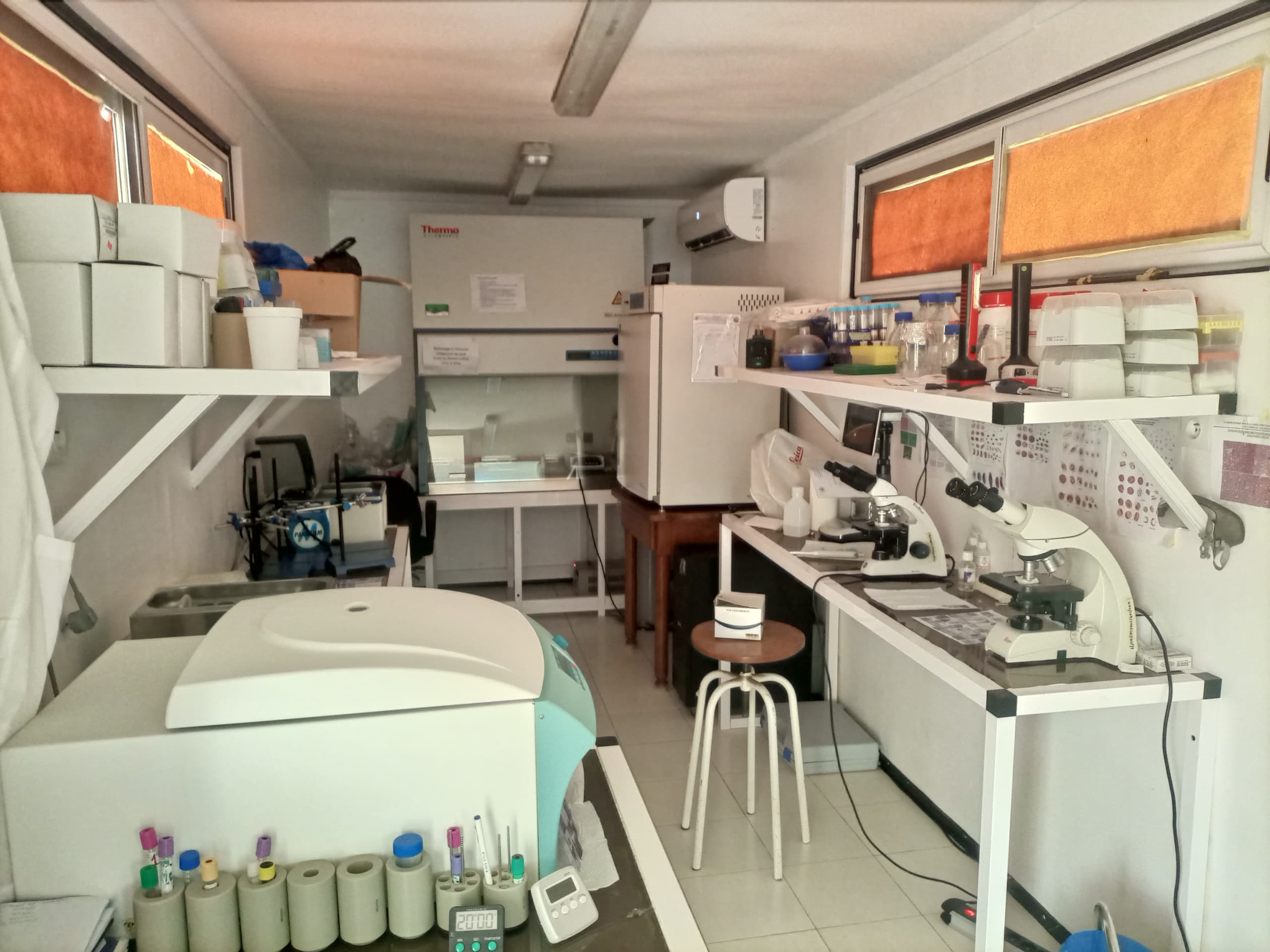
A section for culturing Plasmodium falciparum, the parasite that causes malaria in Benin, and for in vitro evaluation of the efficacy of drugs and medicinal plants.
The department is responsible for the following tasks:In vitro cultivation of asexual forms of Plasmodium species.
In vitro cultivation of sexed forms (gametocytes) of P. falciparum.
Evaluate the in vitro efficacy of drugs extracted from antimalarial plants on P. falciparum.
Evaluate the in vitro efficacy of some Toxoplasma gondii inhibitors on P. falciparum.
Evaluate the impact of some plant extracts from the Beninese pharmacopoeia on the genetic diversity of P. falciparum.
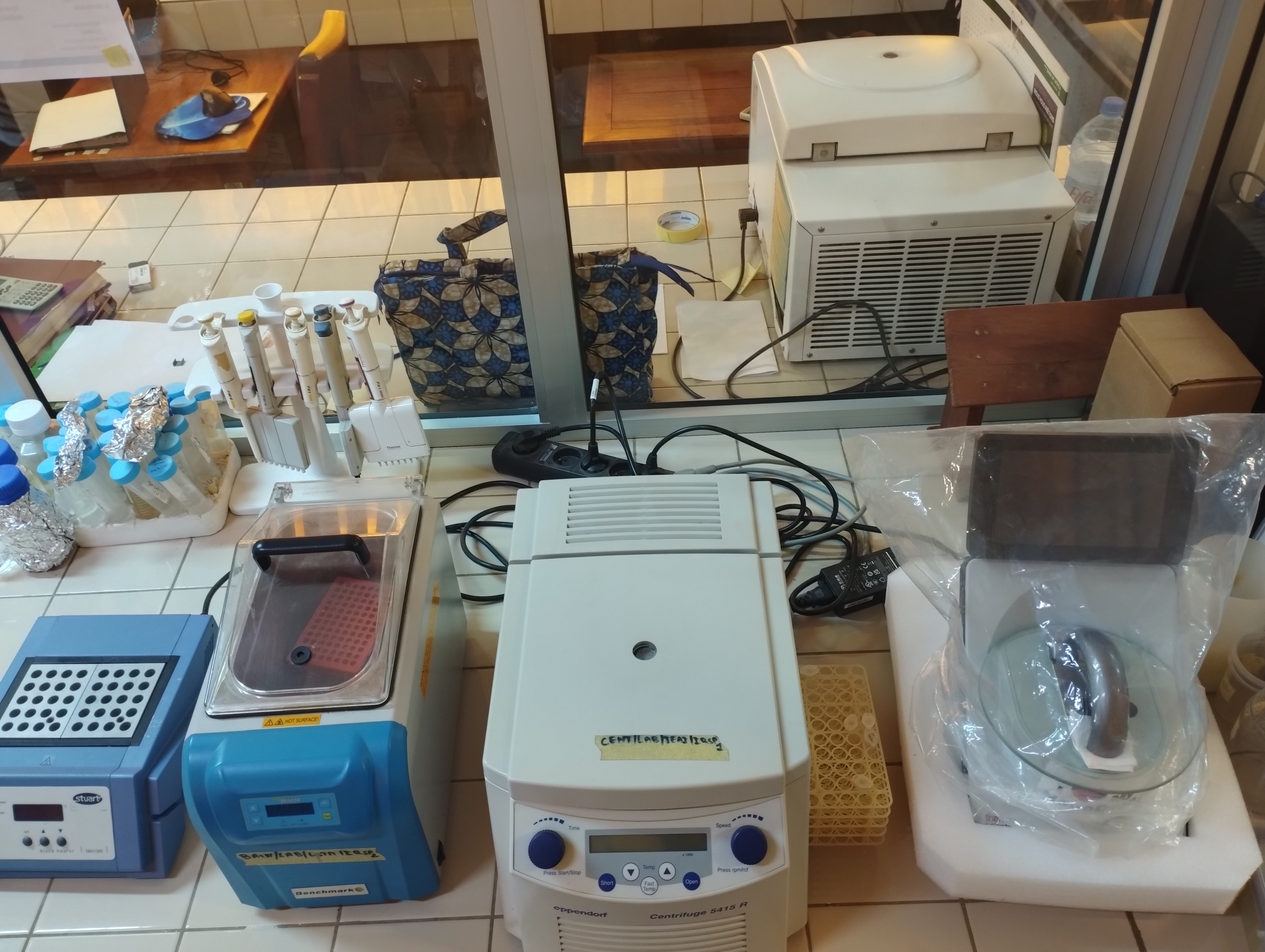
A molecular parasitology section responsible for monitoring the resistance of Plasmodium falciparum isolates to antimalarial drugs and determining the genetic diversity of these parasites.
The department is responsible for the following tasks:Extract genomic DNA from P. falciparum.
Determine the genetic diversity of P. falciparum in symptomatic and asymptomatic subjects by Msp1 and Msp2 genotyping.
Evaluate the temporal dynamics of the genetic diversity of P. falciparum isolates from symptomatic patients in areas of high seasonal malaria transmission.
Monitor polymorphism of resistance genes (PfK13, Pfcrt, Pfmdr1, Pfdhfr, Pfdhps) in P. falciparum to antimalarial drugs used for malaria treatment in Benin.
Genome sequencing of P. falciparum field isolates.
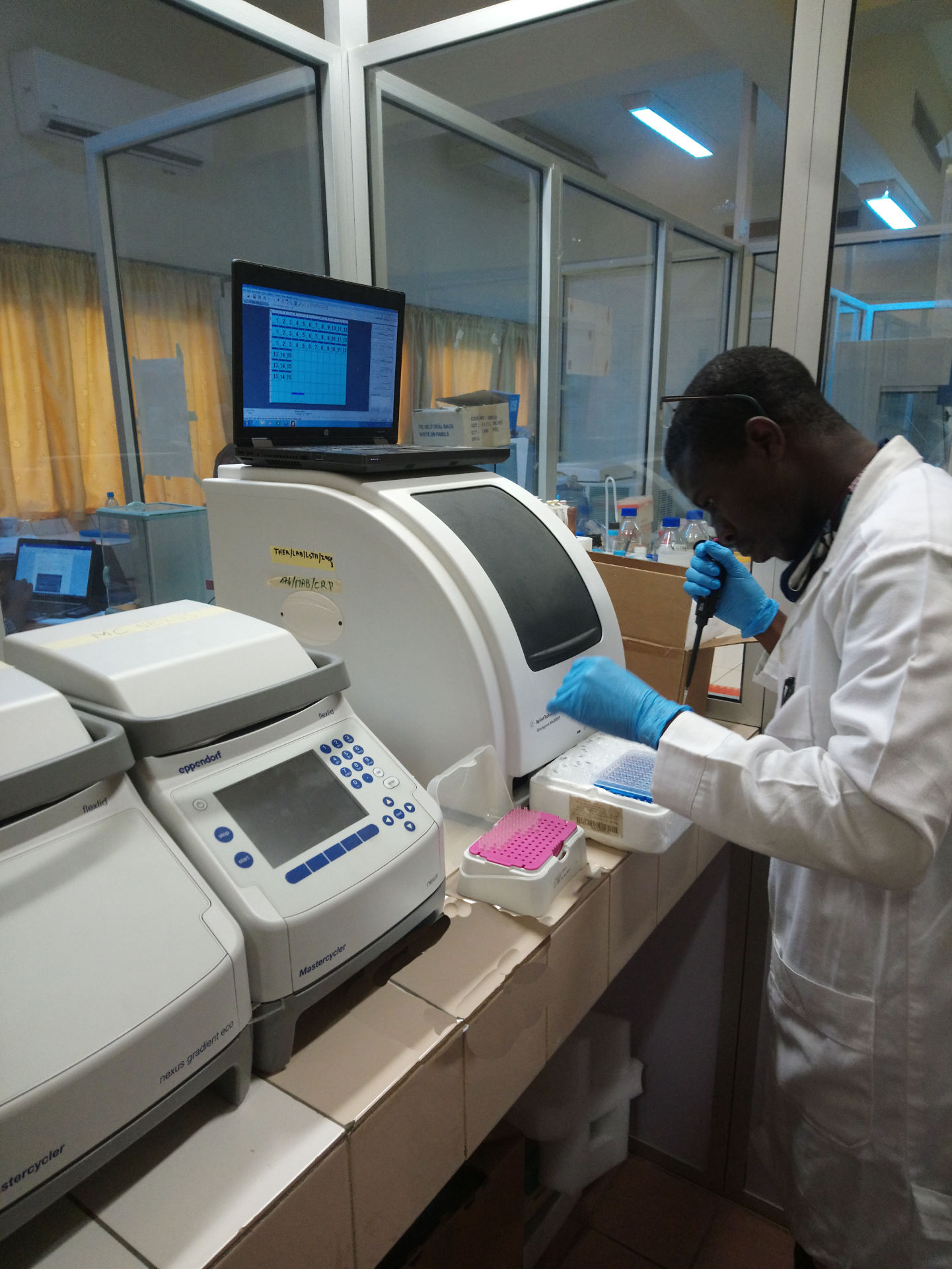
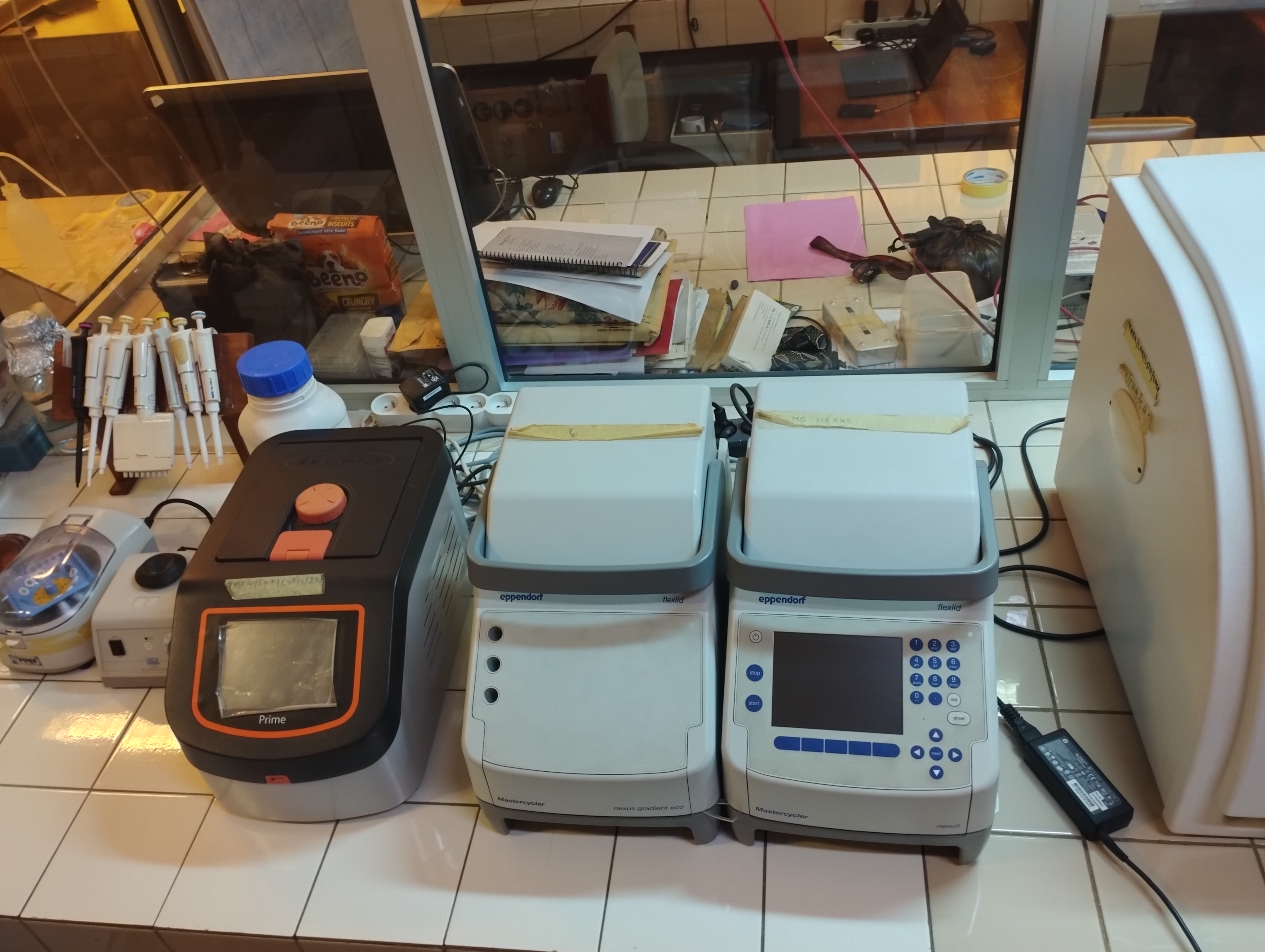
A Biochemistry and Molecular Biology section in which all biochemical and molecular biology analyses are carried out on vector and parasite models.
The department is responsible for the following tasks:Extract genomic DNA and total RNA from Anopheles gambiae and Anopheles funestus mosquitoes.
Evaluate target gene expression in mosquitoes using real-time quantitative PCR (RT-qPCR).
Evaluate the effect of target gene expression inhibition by RNA interference in mosquitoes at larval and adult stages.
Characterize the expression profile of genes involved in the methylation system in Anopheles gambiae mosquitoes.
Identify mosquito species after field collection using PCR.
Identify resistance mechanisms in collected mosquitoes by TaqMan PCR.
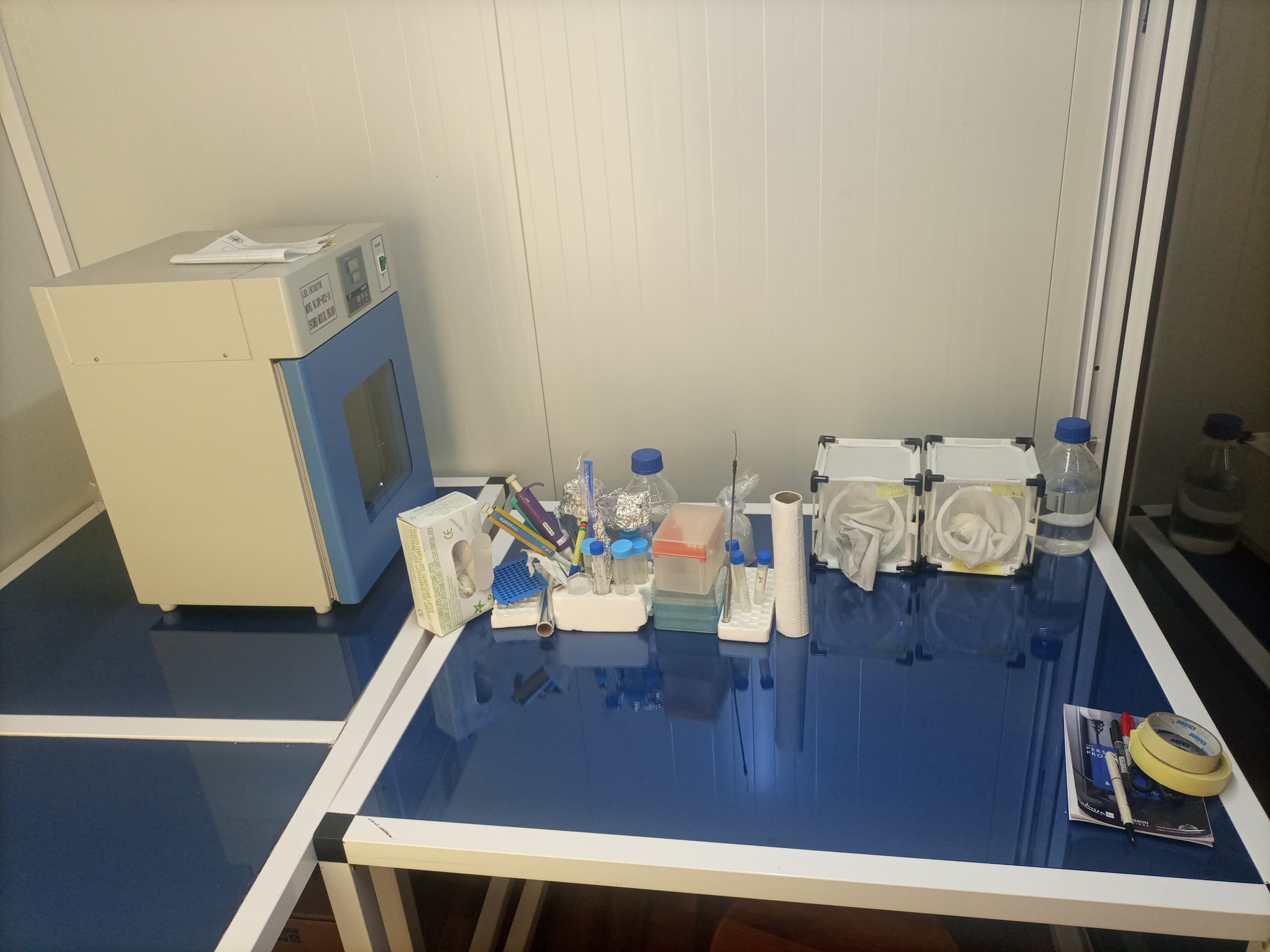
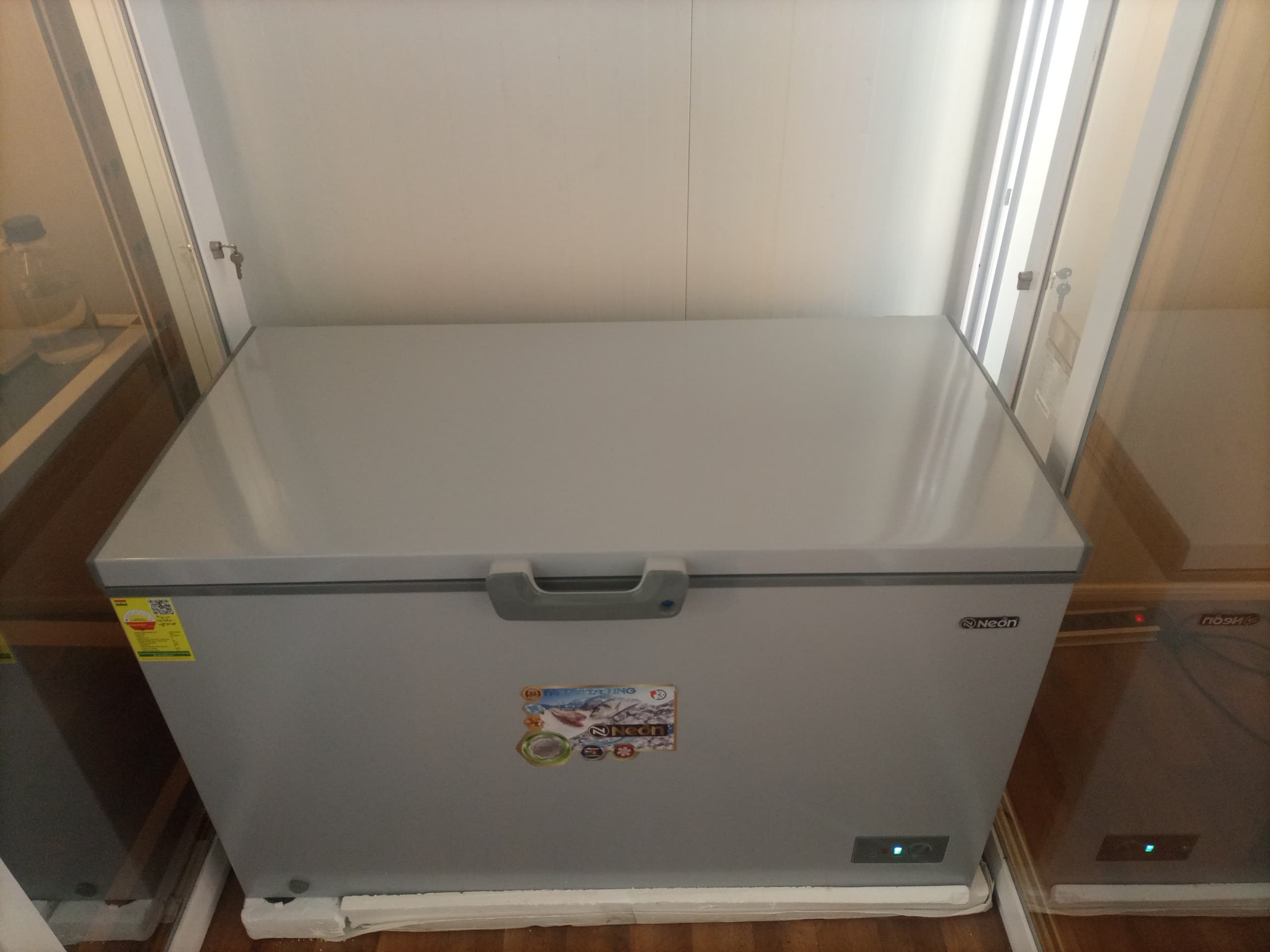
A Viral and Microbial Ecology of Infectious Diseases section responsible for analyzing the microbiome and virome of malaria mosquito vectors.
The department is responsible for the following tasks:Study the microbial and viral ecology of vectors responsible for vector-borne diseases.
Evaluate the impact of bacterial flora on the resistance of Anopheles strains to insecticides.
Evaluate the impact of bacterial flora on the development of parasites and arboviruses of tropical disease vectors.
Evaluate the antimicrobial activity of medicinal plants on bacteria isolated from the microbiota of Anopheles strains.
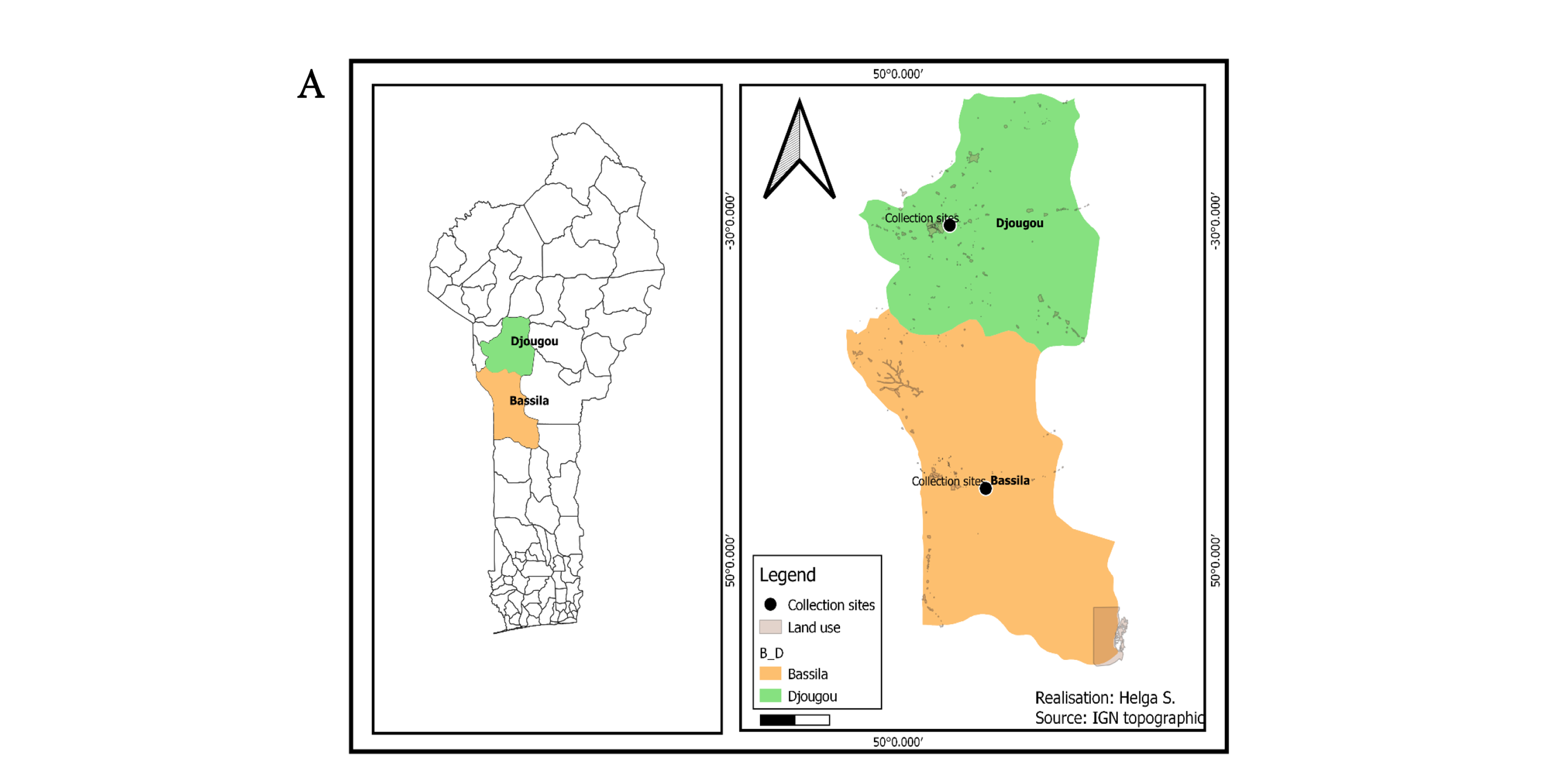
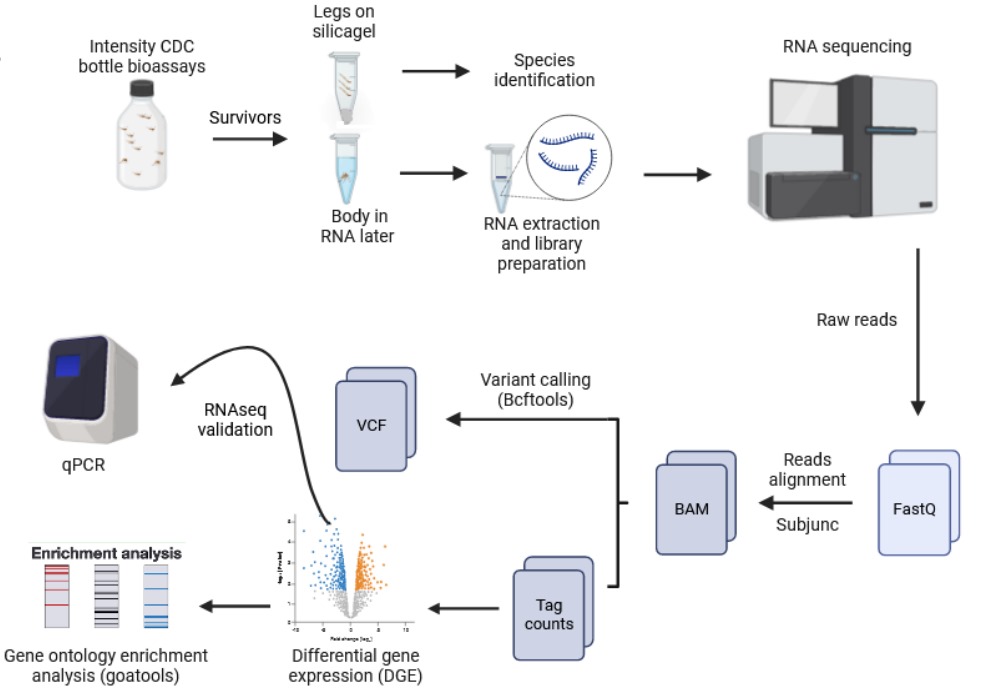
A Bioinformatics section in charge of sequencing data management and analysis.
The department is responsible for the following tasks:Extract genomic DNA from mosquitoes and parasites.
Prepare libraries and sequence mosquito and parasite genomes.
Analyze genomic, transcriptomic, proteomic, metagenomic and metatranscriptomic data.
Study the phage diversity of insecticide-resistant Anopheles gambiae mosquitoes.
Analyze the transcriptome of insecticide-resistant Anopheles gambiae mosquitoes.
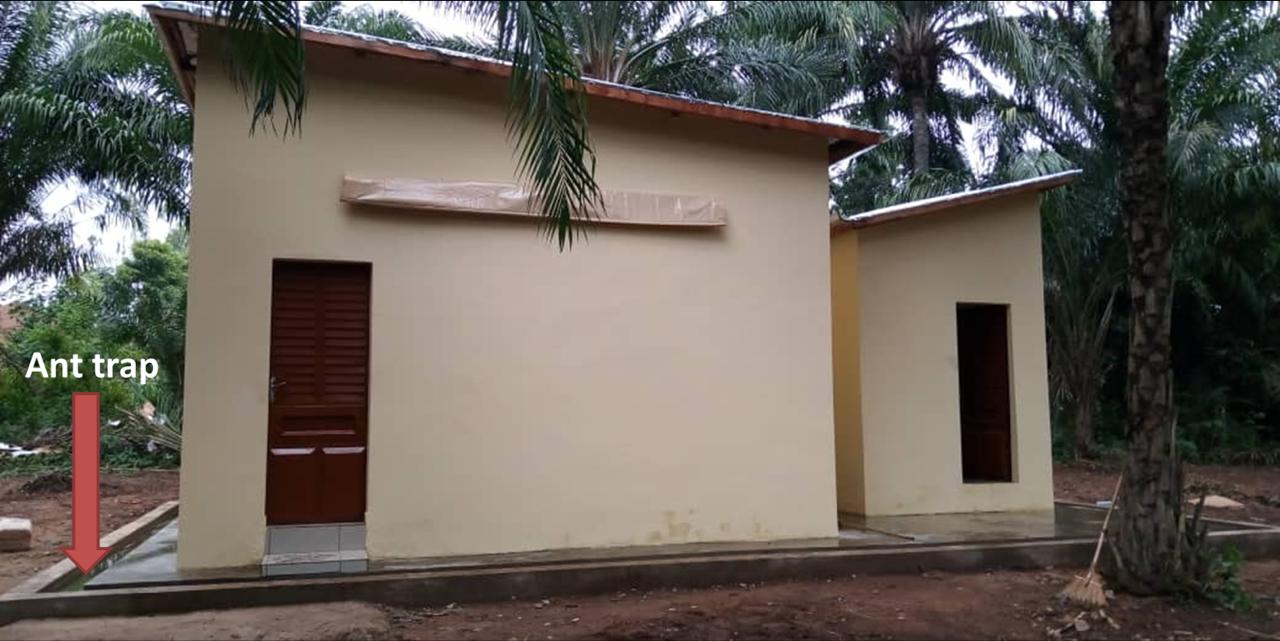
Located at Ganhoua (Zakpota) in southern Benin, the experimental station is used to assess the behavioral response of malaria vectors to vector control tools in a semi-controlled natural environment.
The department is responsible for the following tasks:Evaluate the effectiveness of mosquito nets used in public health through experiments in experimental huts.
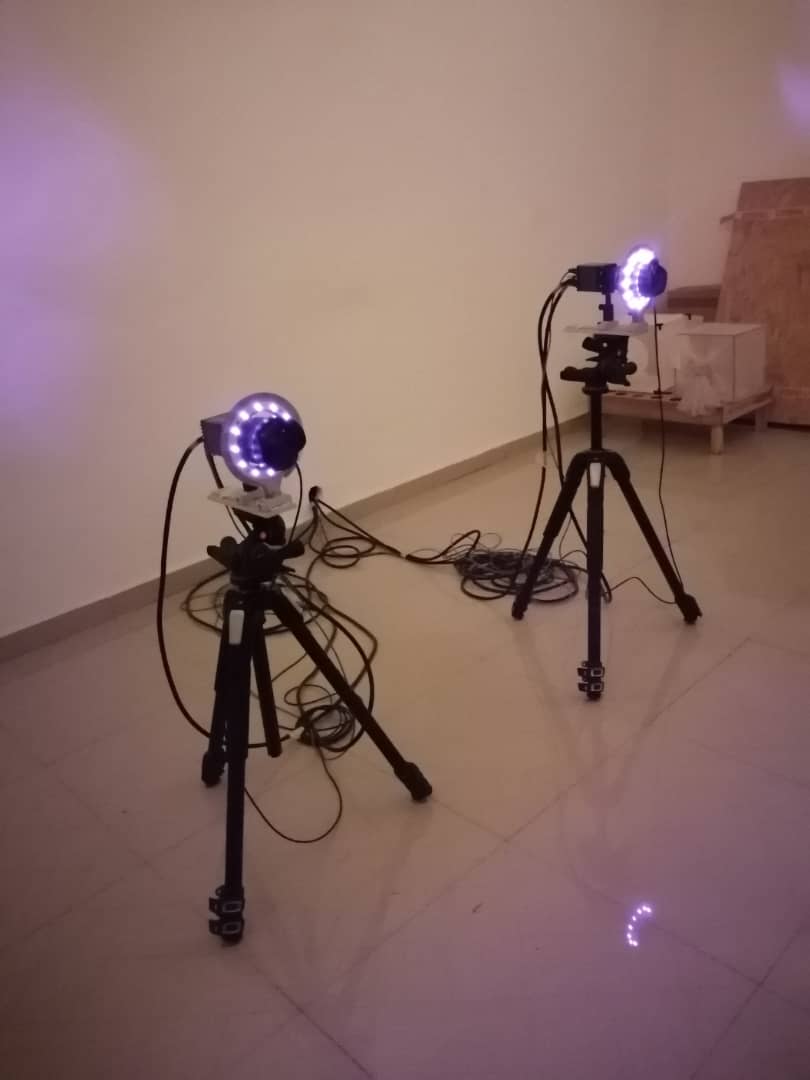
Study the behavior of vectors in relation to mosquito nets using video tracking experiments.